
When something goes wrong, how you respond determines who you really are. Who do you want to be?
Pressure versus Values. What wins?
Many organisations will, at some point, face an acute moment of institutional pressure around race and discrimination. These moments can take many forms: allegations of discriminatory behaviour by a senior leader, a misconduct investigation with race as its centre, redundancy pools that disproportionately affect socially minoritised staff, an employee network voicing serious and collective concerns, a grievance that has escalated beyond internal resolution, or media scrutiny of internal practices.
And it is in these moments that an organisation’s actual values (rather than its stated ones) become visible to everyone watching - more so than anything published in annual reports or discussed in all-hands meetings.
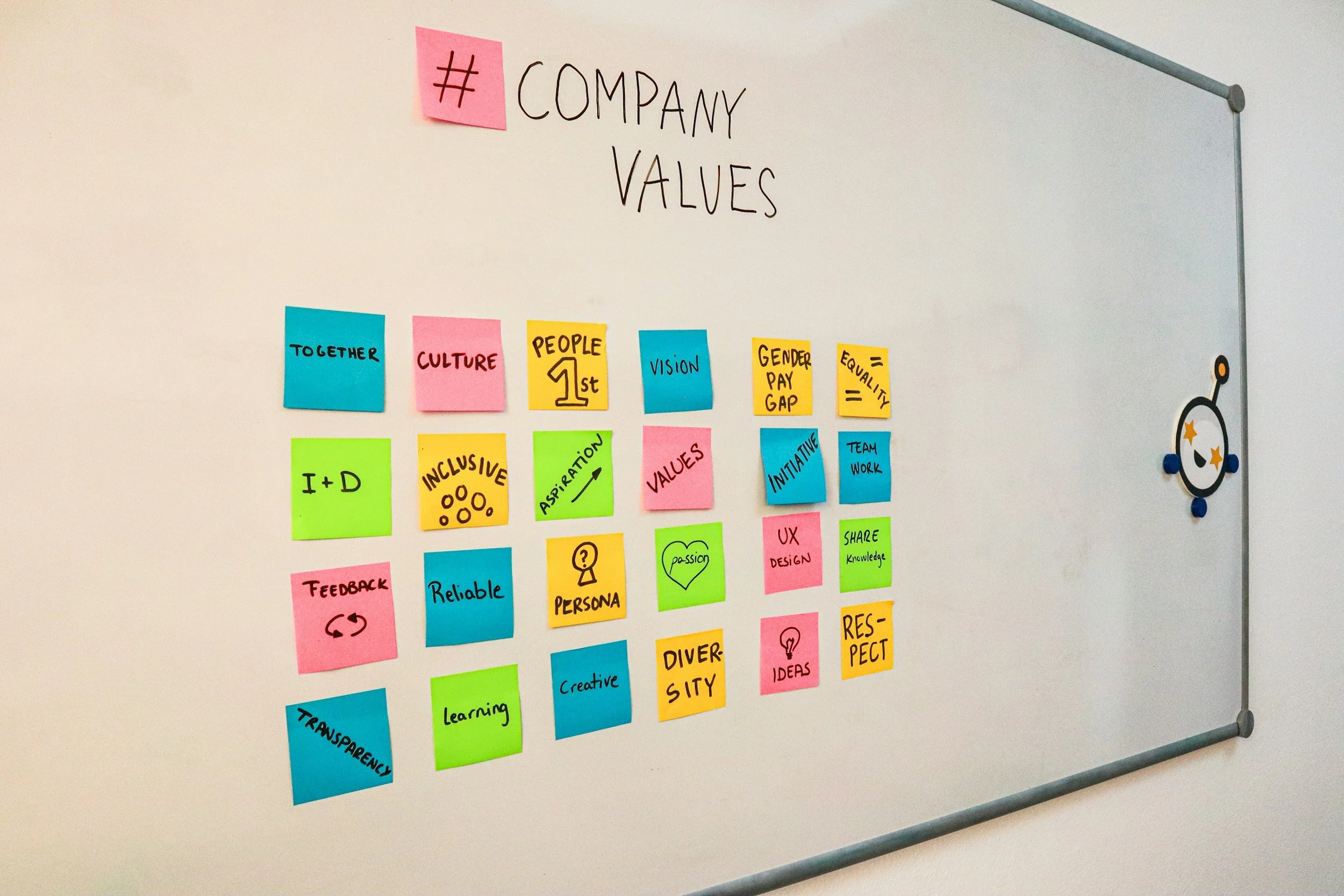
How Organisations Make Things Worse.
Many organisations respond to these situations using the functions available to them: legal, HR, risk, communications etc. Each function mobilised does what it is designed to do, and yet too often, the combined effect is escalation rather than resolution.
The legal response that is supposed to contain liability creates it, as the approach taken toward the person who raised the concern gives rise to exactly the kind of claim the legal team was trying to prevent. The HR processes that are supposed to resolve the complaint inflame it, because the people managing the process are not equipped to handle the specific dynamics of a race discrimination case, and their actions make the situation worse. The communications response that is supposed to protect brand reputation and image, then becomes the story, because employees, candidates, investors and the public can tell the difference between genuine accountability and institutional damage control.
The result is that organisations spend significant resources such as legal fees, senior HR time, external counsel, and settlement costs - not actually resolving the situation, but compounding it instead. Thus, what could have been a difficult but contained moment becomes a tribunal claim, a public judgement, a reputational event, challenges attracting diverse talent pools, and continued attrition among the minoritised employees who witnessed how the organisation handled it.
An exercise that began as self-protection, then becomes unwitting self-sabotage. This happens because the people often handling these situations - irrespective of their competence and expertise in other areas of their roles - are operating with conflicts of interest, limited experience and knowledge of the specific dynamics of race discrimination cases, and without an independent perspective that could prevent the escalation before it becomes irreversible.
Why Independent Guidance Matters.
The people handling these cases internally, from legal to HR and senior leaders - all have something in common. They work for the organisation. Their judgement, however well- or ill-intentioned, is shaped by internal politics, career considerations, institutional loyalty, and an orientation towards protecting the entity that employs them. Although this isn’t particularly surprising, it still does impact the trajectory of a case.
An independent consultant has none of these conflicts. They are not an employee of the organisation; they are not navigating internal politics, and they have no institutional loyalty to balance against doing the right thing. The independent consultant can see the situation as it actually is and can say directly what needs to be said without worrying about the consequences for their own position.
In practical terms, this means an independent perspective can prevent costly decisions before they are made, identify where a proposed response is likely to escalate rather than resolve, and help the organisation navigate the situation with integrity in a way that genuinely serves its long-term interests, rather than its short-term instinct to contain a crisis.
What's Included.
This service provides an independent and objective perspective on how your organisation is handling (or has handled) a situation involving race and discrimination. It can be engaged at any point: during a live situation, after a process has concluded, or before one arises.
-
Real-time strategic advisory on decisions and actions: reviewing proposed responses before they are taken, identifying where they are likely to resolve the situation and where they are likely to escalate it.
Independent assessment of the process as it unfolds.
Guidance on what genuine accountability looks like at each stage: helping the organisation respond in a way that is supportive and measured, and in a way it can stand behind in twelve months - not just in the next meeting.
Advisory on communication: reviewing proposed internal and external statements and how they could be received by the people most affected and the wider workforce.
-
Objective assessment of how the organisation handled the situation: what decisions were made, what their cumulative effect was on the person affected and the wider workforce.
Impact assessment: examining the likely effect on attrition, reporting culture, employee trust, and accumulated organisational risk over time.
Structural recommendations: identifying what allowed the situation to arise and what needs to change to reduce or eliminate the likelihood of recurrence.
-
Review of existing processes: examining how discrimination complaints, grievances and whistleblowing disclosures are currently handled, and whether the people and processes in place are equipped to manage a sensitive race discrimination case without escalating it.
Identification of where current processes are most likely to produce poor outcomes: the points at which a case involving race discrimination is most likely to be mishandled, and what changes would reduce that risk.
Recommendations for building the organisation’s capacity to respond well: to ensure the organisation has the infrastructure, skills and independent support to handle an acute moment without creating the very damage it is trying to avoid.
What You Walk Away With.
An objective, independent assessment of how your organisation has handled (or is handling) a situation involving race and discrimination. A clear understanding of what the situation has cost or is likely to cost: in legal fees, settlements, senior leadership time, attrition, trust, reputation, employee wellbeing - and what a different approach would look like.
Where relevant, structural recommendations that address the conditions which allowed the situation to arise, so that the response becomes the starting point for genuine and lasting change, rather than a cycle that reemerges at the next crisis.
Throughout, you will also have the confidence that comes from having an independent perspective in the room.